





- 주문상품수량
- 개
- 예상적립금
P - 상품할인금
- 원
- 배송료
- 원
- 주문합계
- 원
네비게이션 실시간 인기 책
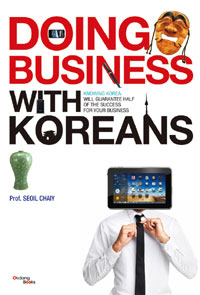
DOING BUSINESS WITH KOREANS
- 채서일 저
- 옥당
- 2012년 05월 15일
-
정가15,000원
-
판매가13,500원 [10% 할인]
-
결제 혜택무이자
카드할인/포인트결제 안내
제휴카드
반디앤루니스 롯데카드 결제금액 최대 25% 청구할인 (1만원 이상 결제건에 한해 월 2회, 건당 최대 1만원 할인) 반디앤루니스 우리V카드 결제금액 10% 청구할인 포인트결제
OK캐쉬백 포인트 최소 10원부터 전액 사용 or 1% 적립 현대카드 M포인트 결제금액의 최대 10% 사용 가능 신한카드 포인트 결제금액의 최대 10% 사용 가능(일부카드) 하나(구.외환) 포인트 보유 한도 내에서 100% 사용 가능 씨티카드 포인트 결제금액의 최대 50% 사용 가능 할인카드
NH농협 TAKE5카드 20% 청구할인(Edu Pack) 채움 플래티늄 멀티카드 20% 청구할인 모바일 Tmoney 신한카드 10% 청구할인 신한카드 Shopping 10% 청구할인 NH농협 체크카드 10% 청구할인 NH20 해봄 신용카드 10% 청구할인 씨티 클리어 카드 7% 청구할인 NH20 해봄 체크카드 5% 청구할인 NH농협 LADY다솜카드 5% 청구할인 신한카드 큐브 5% 청구할인 신한카드 큐브 PLATINUM# 5% 청구할인 
무이자 안내
-
적립금750원 적립 [5%P]
추가 적립금 안내
[2천원 추가 적립]
총 주문금액 5만원 이상 구매 시 2,000원 추가 적립
도서(eBook포함)만 구매 시 적립 대상에서 제외업채배송상품 포함(기프트, 업체배송 등) 5만원[멤버십 추가 적립]
슈퍼루니 : 3% 추가 적립
골드루니 : 2% 추가 적립
실버루니 : 1% 추가 적립
단, 국내도서, eBook만 구매 시 적립 불가
-
배송료15,000원 이상 구매시 무료배송
-
출고예정일
출고예정일 안내
※ 출고예정일은 도서 재고상황에 따라 변동될 수 있습니다.
2026년 04월 09일(목)※ 출고예정일은 도서 재고상황에 따라 변동될 수 있습니다.
당일배송 가능지역 검색
“도로명주소”를 쉽게 찾아보세요
1. 도로명으로 검색하기 (예, “직지길” or “직지길+322”)
2. 건물명으로 검색하기 (예, “반디앤루니스빌딩”)
3. 동(읍/면/리) 으로 검색 (예, “인사동” or “인사동+43”)
4. 도로명주소를 모르실 경우 도로명주소 안내시스템(http://www.juso.go.kr)에서 확인해주세요.
시/도
시/군/구
회원리뷰
ISBN: 9788993952421
255쪽
148 x 210 (㎜)
지금 이책은
- 판매지수 : 202
이 분야의 베스트셀러
-
 스타벅스의 미래
맹명관
16,200원
스타벅스의 미래
맹명관
16,200원
-
 메타버스
김상균
15,300원
메타버스
김상균
15,300원
-
 2021 한국이 열광할 세계 트렌드
KOTRA
16,200원
2021 한국이 열광할 세계 트렌드
KOTRA
16,200원
책 소개
출판사 리뷰
‘KOSOMAR 저술상’의 첫 수상자, 채서일 교수가 외국인을 위해 쓴
한국 비즈니스 안내서 출간!
미국 포브스지가 지난 4월 선정한 세계 2,000대 기업에 68개 기업이 포함되면서 한국은 다섯 번째로 많은 기업이 선정된 나라가 되었다. 이러한 경제 성장에 걸맞게 국제사회의 한국에 대한 관심도 나날이 커지고 있다.
한국 경영학회와 마케팅학회의 회장을 역임하고 'KOSOMAR 저술상' 을 처음 받은 고려대 채서일 교수가 풍부한 컨설팅 경험을 바탕으로 《Doing Business with Koreans》를 썼다. 영어로 ...
‘KOSOMAR 저술상’의 첫 수상자, 채서일 교수가 외국인을 위해 쓴
한국 비즈니스 안내서 출간!
미국 포브스지가 지난 4월 선정한 세계 2,000대 기업에 68개 기업이 포함되면서 한국은 다섯 번째로 많은 기업이 선정된 나라가 되었다. 이러한 경제 성장에 걸맞게 국제사회의 한국에 대한 관심도 나날이 커지고 있다.
한국 경영학회와 마케팅학회의 회장을 역임하고 'KOSOMAR 저술상' 을 처음 받은 고려대 채서일 교수가 풍부한 컨설팅 경험을 바탕으로 《Doing Business with Koreans》를 썼다. 영어로 쓰인 이 책은 한국의 독특한 사회 문화를 설명해서 이해를 돕고 실제로 한국인과의 비즈니스 관계에 적용할 수 있는 탁월한 해결책을 제시하는 ‘한국 비즈니스 안내서’이다.
A Practical Guide to Winning in Business with Koreans
Failing to understand other cultures will invariably lead to misunderstanding and conflict. It is important to recognize dissimilarities between Koreans and foreigners as cultural “differences” and not as something that should be judged right or wrong. Doing Business with Koreans will be the first step in helping to resolve problems that may arise from lack of understanding of Koreans’ way of thinking and culture.
With this book,
● You will be able to understand the cultural differences between you and Korea, Koreans and Korean organizations.
● You will be able to communicate more efficiently Koreans and Korean organizations and in turn, improve business efficiency in a multinational business environment.
● You will have gained basic concepts of management and the importance of corporate communication in global business environment.
●Case Study 1. Refusing a Mealtime Meeting
After smoothly closing a contract, Mark receives an invitation for dinner at the home of his Korean counterpart, Jinsoo Kim. But he has a previous engagement and says that he will not be able to make it to the dinner. In fact, Mark cannot make it to Mr. Kim’s invitation because the dinner is on his wedding anniversary. One week later, when Mark calls Mr. Kim to follow-up on the details of the contract, Mark feels that the conversation is not as friendly as before. Why did this happen? If you were Mark, what would you have done?
Expert Opinion: Receiving an invitation to a meal is significant because for Koreans, doing business together means forming a relationship. Sharing a meal is an important aspect of this process and Koreans believe that it is a key to successful business. Mark should have at least explained his situation and asked if he could accept an invitation from Mr. Kim at another date. Had he done this, Mr. Kim would have understood that Mark was not refusing the invitation, but rather was unable to attend the event for good reason
●Case Study 2. A Way to Give Feedback
You are the leader of the global team at the British office. You noticed that one employee does not participate much in meetings. She is a Korean employee named Joohee, and although she seems to know a lot and answers all of questions correctly, she never asks questions or provides ideas. Her performance and the way she talks show that she is very professional and is very capable. How would you resolve this situation as a team leader?
Expert Opinion: As we learned in Chapters 1 and 3, discussion can be animated amongst people of the same hierarchy in Korean culture, but discussion with a supervisor is difficult because of the hierarchical culture. In fact, Koreans prefer to listen to what the supervisor has to say.
If I were the leader of this team, I would first have a private, informal meeting with Joohee. I would start by complimenting her on her ability and carefully ask why she does not participate more in team meetings. As a team leader, you have a responsibility to maximize your team’s performance, so when you find that Joohee is not actively participating in team meetings, you need to find out why she isn’t doing so and give her appropriate feedback to encourage contribution. However, considering Korean
저자 소개

- 구분 : 저서
- 국적 : 대한민국
- 분류 : 사회과학 저자 , 경제/경영/자기계발 저자
- 인기지수 : 480
현재 고려대학교 경영대학 교수이며 한국 경영학계와 마케팅학계 거두 중 한 명이다.1973년 서울대학교 상과대학에서 경영학 학사학위를 받고, 한국과학원에서 산업공학 석사, 미국 인디애나 대학교Indiana University에서 경영학 석사, 동 대학에서 마케팅으로 경영학 박사학위(1980년)를 받았다.
인디애나 대학교에서 교직생활을 시작했으며(1978∼1980년), 피츠버그 대학교University of Pittsburgh 카츠 경영대학원Katz School of Business에서 1980년부터 4년간 조교수로 재직했다. 984년 고려대학교 경영대학에 부임했으며, 1993∼1994년 스탠퍼드 대학교Stanford University 경영대학원에서, 2000년 피츠버그 대학교 카츠 경영대학원에서, 2004년 캘리포니아 롱비치 주립대학교California State University at Long Beach에서 객원교수로 학생들을 가르쳤다. 998년부터는 고려대학교 기획처장으로, 동 대학교의 전략기획, 예산수립 및 감사활동 등을 전담했고, 특히 IMF사태 이후 위기상황에서 학교의 전략수정 및 운영효율성 향상을 위한 구조조정 업무를 수행했다.
한국소비자학회, 한국마케팅학회 회장을 지냈고 2006년에는 한국경영학회 회장직을 수행했다.<경영학연구> 편집위원을 비롯해 <마케팅연구>, <소비자학연구> 편집위원 및 편집위원장으로 활동했으며, Asian Journal of Marketing을 비롯한 해외저널의 편집위원으로도 활동했다. 울러 지금까지 이들 학회에서 활발하게 위원회 활동을 하고 있으며 학술 논문 발표도 꾸준히 하고 있다.
경제기획원, 국무총리실, 외교통상부, 산업자원부, 중소기업청 등 정부기관의 자문으로도 활동하였으며 삼성, 현대, LG, SK, GS, KT, 데이콤, 한국투자증권, 에스콰이아 등 국내 유수 기업 및 중견기업의 사외이사와 경영자문으로 활동하며 경영이론의 현실적용은 물론, 현장 경영에 근거한 한국적 경영학 연구의 토대를 마련하기 위해 애쓰고 있다.
주요 저서로는 《사회과학 조사방법론》, 《마케팅》, 《마케팅조사론》, 《유통관리》, 《신제품 밀레니움》, 《체계적 설문디자인》, 《마케팅전략 시뮬레이션 게임》, 《SPSS WIN을 이용한 통계분석》 등이 있으며, <경영학연구>, <마케팅연구>, <소비자학연구>, <상품학연구>, Psychometrika, Journal of Product Innovation Management, Journal of Service Marketing, Journal of Business Research, Journal of Internet Commerce 등 국내외 유수 저널에 50여 편의 논문을 발표했다.
책 속에서
Cultural differences results dissimilarity in behavior that we cannot easily judge which is right or wrong as such dissimilarity originates from historical and cultural backgrounds. It is important for us to see that these dissimilarities are “different” because we are from different cultures, not “wrong.” We need to put efforts in together to truly understand each other’s differences and respect them because it is a two-way street, not one. Remember, it takes two to tango.
This book discusses the cultural characteristics of Korea and Koreans, and business environment within Korean organizations. I believe through this book you can understand the cultural differences between you and Korea, Koreans and Korean organizations to improve communications and productivity in a multinational business environment. I hope all the efforts you put in will lay a solid foundation to lead you to be ahead in global competition.
─Introduction
This book discusses the cultural characteristics of Korea and Koreans, and business environment within Korean organizations. I believe through this book you can understand the cultural differences between you and Korea, Koreans and Korean organizations to improve communications and productivity in a multinational business environment. I hope all the efforts you put in will lay a solid foundation to lead you to be ahead in global competition.
─Introduction
목차
목차
Introduction
● Chapter 1 _ Knowing Korea
1. Globalizing and Globalization
2. Management and Communication
3. First Meeting with Koreans
4. General Information about Korea
5. History of Korea
6. Korea’s Economy
7. Characteristics of Koreans
● Chapter 2 _ Asia and the West
1. Differences between Asian and Western Ways of Thinking
2. Comparing South Korea, China, and Japan
● Chapter 3 _ The Social System of Korea
1. Age
2. Family
3. Friends
4. Education
5. Language
6. Clothing, Food, and Housing
● Chapter 4 _ Business in Korea
1. Making an Appointment
2. Meetings
3. Dress Code
4. Korean Dining Etiquette
5. Business Entertainment
6. Gift Giving
7. Cultural Differences and Misunderstandings
● Chapter 5 _ Communication and Negotiation
1. Communication
2. Characteristics of Koreans and Korean Groups Concerning Communication
3. Features of Korean Communication
4. Negotiation
● Chapter 6 _ Working Relationships with Koreans I
1. A Successful Manager’s Characteristics
2. Loyalty
3. Motivation
4. Compensation
5. Sources of Authority
6. Feedback & Follow-up
7. Performance Appraisals
8. Job Mobility
● Chapter 7 _ Working Relationships with Koreans II
1. Employment
2. Decision-Making
3. Delegation
4. Information Sharing
5. Task Structure
6. Teamwork
7. Timelines
8. Planning
9. Conflict Management
10. Organizational Structure
Notes
Introduction
● Chapter 1 _ Knowing Korea
1. Globalizing and Globalization
2. Management and Communication
3. First Meeting with Koreans
4. General Information about Korea
5. History of Korea
6. Korea’s Economy
7. Characteristics of Koreans
● Chapter 2 _ Asia and the West
1. Differences between Asian and Western Ways of Thinking
2. Comparing South Korea, China, and Japan
● Chapter 3 _ The Social System of Korea
1. Age
2. Family
3. Friends
4. Education
5. Language
6. Clothing, Food, and Housing
● Chapter 4 _ Business in Korea
1. Making an Appointment
2. Meetings
3. Dress Code
4. Korean Dining Etiquette
5. Business Entertainment
6. Gift Giving
7. Cultural Differences and Misunderstandings
● Chapter 5 _ Communication and Negotiation
1. Communication
2. Characteristics of Koreans and Korean Groups Concerning Communication
3. Features of Korean Communication
4. Negotiation
● Chapter 6 _ Working Relationships with Koreans I
1. A Successful Manager’s Characteristics
2. Loyalty
3. Motivation
4. Compensation
5. Sources of Authority
6. Feedback & Follow-up
7. Performance Appraisals
8. Job Mobility
● Chapter 7 _ Working Relationships with Koreans II
1. Employment
2. Decision-Making
3. Delegation
4. Information Sharing
5. Task Structure
6. Teamwork
7. Timelines
8. Planning
9. Conflict Management
10. Organizational Structure
Notes
배송 시 유의사항
- 반디앤루니스에서 구매하신 도서는 물류 대행 위탁업체 웅진 북센을 통해 배송됩니다.
(배송 포장에 "웅진 북센"으로 표기될 수 있습니다.)
- 구매한 상품의 품질과 배송 관련 문의는 반디앤루니스로 문의 바랍니다.
- 천재지변 및 택배사의 사정에 따라 배송이 지연될 수 있습니다.
- 결제(입금) 완료 후 출판사 및 유통사의 사정으로 품절 또는 절판 되어 상품 구입이 어려울 수 있습니다. (별도 안내 예정)
- 도서산간지역의 경우 추가 배송비가 발생될 수 있습니다.
반품/교환
상품 설명에 반품/ 교환 관련한 안내가 있는 경우 그 내용을 우선으로 합니다. (업체 사정에 따라 달라질 수 있습니다)
반품/교환
-
반품/교환 반품/교환 방법 홈 > 고객센터 > 자주찾는질문 “반품/교환/환불” 안내 참고 또는 1:1상담게시판 반품/교환 가능 기간 반품,교환은 배송완료 후 7일 이내, 상품의 결함 및 계약내용과 다를 경우 문제발견 후 30일 이내에 신청가능 반품/교환 비용 변심 혹은 구매착오의 경우에만 반송료 고객 부담(별도 지정 택배사 없음) 반품/교환 불가 사유 - 소비자의 책임 사유로 상품 등이 손실 또는 훼손된 경우
- 소비자의 사용, 포장 개봉에 의해 상품 등의 가치가 현저히 감소한 경우
- 복제가 가능한 상품 등의 포장을 훼손한 경우 : 예)만화책, 잡지, 화보집 등
- 시간의 경과에 의해 재판매가 곤란한 정도로 가치가 현저히 감소한 경우
- 전자상거래등에서의 소비자보호에 관한 법률이 정하는 소비자 청약철회 제한 내용에 해당되는 경우
- 해외주문 상품(해외 원서)의 경우(파본/훼손/오발송 상품을 제외)
소비자 피해보상
환불지연에 따른 배상- 상품의 불량에 의한 반품, 교환, A/S, 환불, 품질보증 및 피해보상 등에 관한 사항은
소비자 분쟁해결 기준(공정거래위원회고시)에 준하여 처리됨 - 대금 환불 및 환불지연에 따른 배상금 지급 조건, 절차 등은 전자상거래 등에서의
소비자 보호에 관한 법률에 따라 처리함
반품/교환 주소 경기도 파주시 문발로 77, 웅진북센(반디앤루니스)
