





- 주문상품수량
- 개
- 예상적립금
P - 상품할인금
- 원
- 배송료
- 원
- 주문합계
- 원
네비게이션 실시간 인기 책
베스트
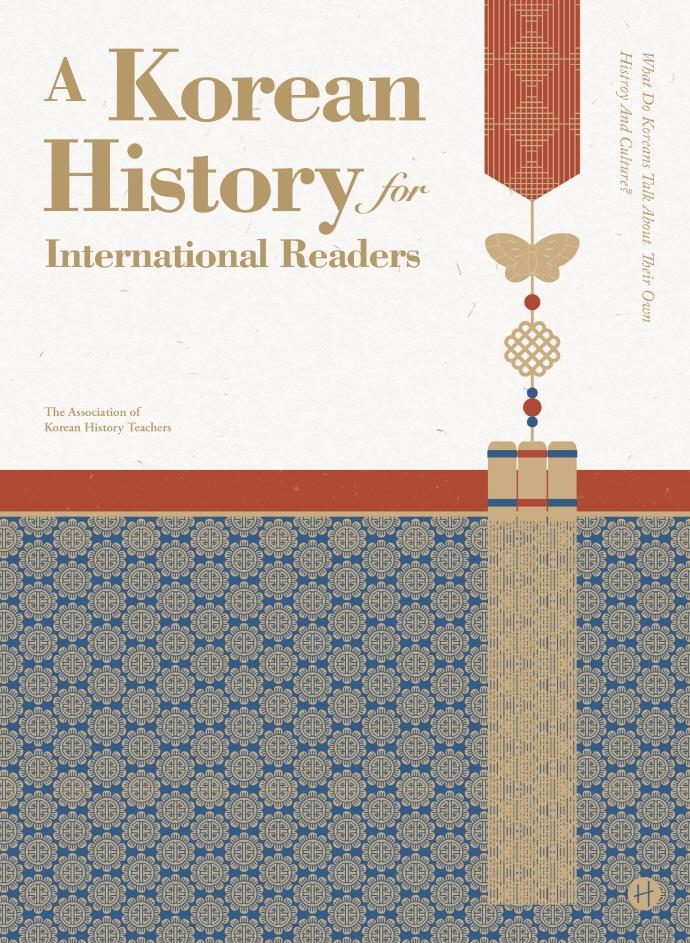
A Korean History for International Readers : 영어판
- 전국역사교사모임 저
- 휴머니스트출판그룹
- 2021년 09월 13일
-
정가22,000원
-
판매가19,800원 [10% 할인]
-
결제 혜택무이자
카드할인/포인트결제 안내
제휴카드
반디앤루니스 롯데카드 결제금액 최대 25% 청구할인 (1만원 이상 결제건에 한해 월 2회, 건당 최대 1만원 할인) 반디앤루니스 우리V카드 결제금액 10% 청구할인 포인트결제
OK캐쉬백 포인트 최소 10원부터 전액 사용 or 1% 적립 현대카드 M포인트 결제금액의 최대 10% 사용 가능 신한카드 포인트 결제금액의 최대 10% 사용 가능(일부카드) 하나(구.외환) 포인트 보유 한도 내에서 100% 사용 가능 씨티카드 포인트 결제금액의 최대 50% 사용 가능 할인카드
NH농협 TAKE5카드 20% 청구할인(Edu Pack) 채움 플래티늄 멀티카드 20% 청구할인 모바일 Tmoney 신한카드 10% 청구할인 신한카드 Shopping 10% 청구할인 NH농협 체크카드 10% 청구할인 NH20 해봄 신용카드 10% 청구할인 씨티 클리어 카드 7% 청구할인 NH20 해봄 체크카드 5% 청구할인 NH농협 LADY다솜카드 5% 청구할인 신한카드 큐브 5% 청구할인 신한카드 큐브 PLATINUM# 5% 청구할인 
무이자 안내
-
적립금1,100원 적립 [5%P]
추가 적립금 안내
[2천원 추가 적립]
총 주문금액 5만원 이상 구매 시 2,000원 추가 적립
도서(eBook포함)만 구매 시 적립 대상에서 제외업채배송상품 포함(기프트, 업체배송 등) 5만원[멤버십 추가 적립]
슈퍼루니 : 3% 추가 적립
골드루니 : 2% 추가 적립
실버루니 : 1% 추가 적립
단, 국내도서, eBook만 구매 시 적립 불가
-
배송료무료배송
-
출고예정일
출고예정일 안내
※ 출고예정일은 도서 재고상황에 따라 변동될 수 있습니다.
2026년 04월 10일(금)※ 출고예정일은 도서 재고상황에 따라 변동될 수 있습니다.
당일배송 가능지역 검색
“도로명주소”를 쉽게 찾아보세요
1. 도로명으로 검색하기 (예, “직지길” or “직지길+322”)
2. 건물명으로 검색하기 (예, “반디앤루니스빌딩”)
3. 동(읍/면/리) 으로 검색 (예, “인사동” or “인사동+43”)
4. 도로명주소를 모르실 경우 도로명주소 안내시스템(http://www.juso.go.kr)에서 확인해주세요.
시/도
시/군/구
회원리뷰
ISBN: 9791160807059
332쪽
810g
188 x 257 (㎜)
지금 이책은
- 판매지수 : 0
- 주간 역사/신화/문화: 173위
이 분야의 베스트셀러
-
 나의 한국현대사 1959-2020 [개정증보판]
유시민
17,100원
나의 한국현대사 1959-2020 [개정증보판]
유시민
17,100원
-
 징비록
류성룡
11,700원
징비록
류성룡
11,700원
-
 반일 종족주의
이영훈 외
18,000원
반일 종족주의
이영훈 외
18,000원
책 소개
출판사 리뷰
This book is a historical text that covers Korean history from its foundation to the modern era. It especially deals with pre-modern societies of Korea in detail. Despite its long history, life in its society and its culture are rarely spoken of outsides the peninsula. Rather than arranging the historical events chronologically, this book focuses more on the details of the historical events by questioning how the diverse experiences that Koreans had affected their life and culture and what influences that culture had on constructing Korean history. This is the reason why we publish this book, although there are already numerous books that introduced Korean history. Readers could realize what Koreans have endured and how it lead to their position in the world today. It also mentions their moral values and what they believe is right or wrong.
1. 이제 한국인과 세계인이 함께 한국의 역사와 문화를 읽는다
2021년 한국에 거주하는 외국인 인구는 200여만 명이다. 한때 길거리를 지나가다 마주치는 외국인을 경계의 눈빛이나 신기한 눈빛으로 쳐다보던 시대를 지나 이제 그들과 함께 부대끼고 호흡하면서 살아가는 것이 자연스러워졌다.
공적이거나 개인적인 관계의 외국인 벗들이 늘어나고 이들과의 만남이 잦아지면서 한국의 역사는 더는 ‘국사’ 또는 ‘일국사’로서 머물러 있을 수 없게 되었다. 우물 안 개구리식의 역사 인식에서 벗어나 이제 세계사의 맥락에서 한국의 역사와 문화를 이야기해야 한다. 그러나 아직도 외국에는 한국의 역사와 문화가 제대로 알려지지 않아, 언론에서는 종종 ‘외국에 잘못 알려진(또는 외국인이 잘못 소개하는) 한국 역사’의 실상을 고발하기도 한다. 이제 외국인을 비롯해 외국에 거주하는 한국인들에게 한국의 역사를 제대로 소개하는 책이 필요한 시기가 도래한 것이다.
이러한 시대에 전국역사교사모임은 한국의 역사와 문화를 외국인에게 편견 없이 소개하기 위해 한국어와 영어로 《외국인을 위한 한국사(A Korean History for International Readers)》를 펴냈다. 이 책은 ‘한국인은 세계인에게 한국의 역사를 어떻게 이야기할 것인가?’라는 부제에서도 알 수 있듯이, 외국인을 위한 책인 동시에 한국인을 위한 역사책이다. 다양한 역사적 경험이 한국인의 생활과 문화에 미친 영향은 무엇인지, 그리고 그 문화가 한국 역사에 미친 영향이 무엇인지를 외국인에게 들려주기 위해서는 한국인이 그 내용을 먼저 제대로 알아야 하기 때문이다. 따라서 이 책은 한국인에게는 ‘외국인에게 한국의 역사를 어떻게 들려주면 좋을까?’라는 물음에 대한 답을 전하고, 외국인에게는 한국인이 직접 들려주는 한국의 역사와 문화를 접할 수 있게 한다.
이 책은 한국인의 역사 인식이 세계를 향하고 한국사가 세계사 속에 당당히 자리잡도록 하되, 자국사를 홍보하고자 하는 일국사 우월주의 관점이나 중국과 일본과의 사이에서 일어나고 있는 역사분쟁에 대한 대응이라는 일면적 관점 또한 벗어나 있다. 따라서 이 책은 좁은 시야에서 벗어나 세계 역사 무대에서 한국의 역사가 정당하게 평가될 수 있도록 한 ‘세계인이 함께 읽는 한국의 역사와 문화’인 것이다.
이 책은 2010년 초판이 출간된 후 한국을 더 깊이 있게 알고 싶은 외국인과 재외국민들에게 큰 관심을 받았으며, 외국인 대상 한국어학당과 외국의 한국어 학교의 수업 교재, 외국 파트너기업 선물, 외국 소재 한국 공관의 한국 홍보자료 등으로 활용되었다. 이번 개정판에서는 2000년 이후 달라진 정보를 수정·반영하고, 최근까지의 새로운 현대사를 추가하여 빠르게 변화하고 있는 오늘날의 한국을 만날 수 있다.
2. 한국의 역사, 외국인에게 어떻게 들려주면 좋을까?
바야흐로 ‘K-○○’의 시대라 할 만큼 한국의 정서가 깃든 팝, 영화, 드라마, 게임 같은 문화 콘텐츠와 음식 등이 세계적으로 유행하고, 촛불집회와 코로나19 방역 등 성숙한 시민의식을 세계에 보여주며 한국의 위상이 그 어느 때보다 높아졌다. 그만큼 한국에 관심을 갖고 한국의 역사와 문화에 대해 궁금해하는 외국인도 많아졌다.
이들에게 한국과 한국인을 어떻게 설명하면 좋을까? 《외국인을 위한 한국사》는 한국의 역사와 문화를 단편적으로 소개하는 안내서와 달리 오랜 세월 한반도에서 살아온 한국인의 ‘유장한 역사’를 들려줌으로써 한국과 한국인을 깊이 있게 이해할 수 있다.
《외국인을 위한 한국사》는 오랜 역사에도 불구하고 외국인에게 잘 알려지지 않은 전근대 시기 역사와 공동체 외부에서는 잘 보이지 않는 한국인의 생활과 문화를 폭넓게 다룬다. 특히 한국 민족의 형성과정을 추적하고, 그들의 삶과 문화를 이해하는 데 주안점을 둔다. 그렇다고 해서 이 책이 민족 이외의 주체를 무시하거나 민족을 지고지순의 가치에 놓고 있는 건 아니다. 통일신라에서 고려로 이어지는 과정에서 민족이라 이름 붙일 수 있는 인식이 형성된 이후 같은 국가의 구성원으로서 동등한 귀속의식이 형성되어가는 과정을 다루며, 더불어 사회경제, 문화생활에서의 중요한 변화가 일어나는 과정과 공동체 의식이 변화하는 추이, 그리고 한국인의 문화적 정체성과 밀접한 관련이 있는 사건들을 비중 있게 다룬다. 또 외국인들이 가장 궁금해하고 놀라워하는, 제3세계의 여러 나라와 달리 민주화와 산업화를 함께 이룬 한국의 역동적인 근현대사를 정면으로 소개하고 있다. 독자들은 이 책을 통해 한국전쟁과 분단으로 굴곡진 현대사에서도 희망의 역사를 만들어온 한국인을 만날 수 있다.
이 책은 지금의 한국과 한국인이 함께 일구어온 역사 경험, 그 경험이 삶과 문화에 미친 영향, 그로 인해 한국인들이 소중하게 생각하거나 옳지 않게 여기는 가치관은 무엇인지를 알게 함으로써 한국인에 대해 선명한 이미지를 가질 수 있도록 한 것이 특징이다. 지금까지 이어져온 한국 역사의 커다란 흐름과 맥을 짚을 수 있게 한 점에서 이 책은 ‘외국인에게 한국의 역사를 제대로 소개한 책’이라 할 수 있다.
3. ‘세계 속의 한국, 한국 속의 세계’를 보는 특별한 구성
이 책은 한국사의 전개 과정을 총 13개의 장으로 구성했으며, 장마다 〈세계 속의 한국, 한국 속의 세계(Korea in the World, The World in Korea)〉, 〈역사의 현장(Historical Sites)〉, 〈생활과 문화(Life and Culture)〉를 두었다. 〈세계 속의 한국, 한국 속의 세계〉는 한국인의 세계 진출, 세계 인식, 한국과 세계의 교류, 한국 안에 들어온 세계성을 지도와 연표, 사진 자료를 활용해 시각적으로 구성했으며, 〈역사의 현장〉은 해당 시기의 시대성을 잘 보여주는 장소를 소개하고 한국 문화재에 대한 기초 소양을 쌓을 수 있는 내용으로 구성했다. 〈생활과 문화〉에서는 오랜 세월 축적된 다양한 역사적 경험이 한국인의 생활과 문화에 어떻게 녹아 있고 지금도 살아 숨 쉬고 있는지를 보여준다.
외국인과 한국인 모두 쉽게 이해할 수 있게 서술했으며, 역사적 사건과 사실을 나열하기보다 그 맥락을 이해할 수 있도록 설명하고, 시기마다 역사를 이끌어온 인물을 상세히 소개한다. 55개의 지도, 27개의 그래픽 자료, 520여 컷의 시각 자료를 다양하고 풍부하게 실어 전체 역사 흐름을 일목요연하게 살필 수 있다.
저자 소개
저자 : 전국역사교사모임(The Association of Korean History Teachers)
The association was launched in 1988 by history teachers to provide students with a “living history education” in which students can enjoy studying and grow up to be healthy democratic citizens. Currently there are about 2,000 members who are actively working for this organization throughout the country, and we have been developing teaching materials in specialization of regional, Korean, East-Asian, and World history in accordance to individual subject curricula. Furthermore, we show concern in other educational methods such as the Internet, photos, videos, and field trips as well as theorizations. Based upon our accomplishments, we endeavor to make history a part of public knowledge while publishing History Education, a quarterly magazine specializing in history education in Korea. We have published the following list of books ever since: Our History through Art (1992); Our History through Historical Materials (1994); Lively Korean History Textbook 1·2 (2002); How Should We Teach History to Our Children? (2002); Lively World History Textbook 1·2 (2005); Mutually Facing Korean and Japanese History 1·2 (2006); History, What Should We Teach and How? (2008); Living as a History Teacher (2008); Written by History School Teachers Properly Korean History, 1~10 (2010); Series of the World History Read for the First Time (5 Volumes) (2010); Very First Korean History for Elementary Students, 1~5 (2015); Very First World History for Elementary Students, 1~5 (2015); History of East Asia Told by the History Teacher (2017); A History Class: Learns from History and Teaches with Life (2018).
Translator Michelle Seo (김문희) GRE-writing author and instructor
목차
To Korean Readers: How can we talk about Korean history to non-Korean readers?
To non-Korean Readers: Who Read This Book : Hoping to get closer to each other through Korean history
Prologue - Korean and Koreans, Who are they?
I. The Beginning of the Korean History - B.C. 500000~B.C. 1C
Korea in the World, The World in Korea: Prehistoric Culture of the Korean Peninsula, and the Historic Periods
1. Since When Did the Existence of Man Begin on the Korean Peninsula?
2. Koreans Found Gojoseon: the First Kingdom of the Korean Peninsula
3. Developments of Several Ancient Kingdoms, in the South and North of the Korean Peninsula
Historical Sites: The Largest Dolmen Kingdom in the World
Life and Culture: Ritual Ceremony to God
II. The Beginning of the Three Kingdoms Period - B.C. 1C~A.D. 700
Korea in the World, The World in Korea: Formation of the East Asian Culture Block
1. The Foundation fo the Three Kingdoms: Goguryeo, Baekje, and Shilla
2. Competitions Become Intense Among the Three Kingdoms
Historical Sites: Ancient Tombs and Murals; Meeting the Goguryeo People 1,600 Years Ago
3. Goguryeo’s Defeat of Successive Invasions of Sui and Tang
4. A Variety of Flourishing Cultures due to the Expansion of Trades
Life and Culture: Bab and Gimchi, Stories of the Korean Dining Table
III. Unified Shilla and Balhae in the South and North - 648~926
Korea in the World, The World in Korea: People Embarking upon a Journey to the World, and Seokguram
1. Shilla Unites Baekje and Goguryeo
2. The Unified Shilla and Balhae’s Occupying the South and North of the Peninsula
3. The Remarkable Development of a Buddhist Culture
Historical Sites: Bulguksa, a Temple in the Land of Buddha
4. The Decline of the South and North Kingdoms Era
Life and Culture: Tile-roofed Houses, Straw-roofed Houses, and Ondol and Wooden Floors
IV. Emergence of a United Power Named Goryeo - 900~1135
Korea in the World, The World in Korea: The Byeokrannaru Ferry Dock and Gaegyeong, the Imperial Capital of Goryeo
1. Goryeo Unites the Later Three Kingdoms
2. Goryeo Adopts the Civil Service Examination, and Develops a Bureaucratic Ruling System
Historical Sites: Blue Celadon and Porcelain Expositions
3. Northeast Asia in Turmoil: Goryeo Employs Practical Diplomacy
Life and Culture: Goryeo Believed in Buddha and Respected Confucius
V. A New Historical Perspective Formed Through Struggles Against Foreign Powers - 1135~1380
Korea in the World, The World in Korea: Cultural Exchanges Between Goryeo and the Mongol Empire
1.“Liberate the Slaves of Samhan!”
2. Development of a New Historical Perspective
Historical Sites: Jikji, and the Museum of Archaic Printing
3. Rise of the Reformers, Dreaming of a New World
Life and Culture: The Meaning of Buddhism to Koreans
VI. Rise of a New Dynasty, Joseon: The Beginning of New Traditions - 1380~1474
Korea in the World, The World in Korea: Korean’s First Calendar, Chiljeongsan
1. Joseon Designates Hanyang as the Capital for a New Dynasty
Historical Sites: The Annals of the Joseon Dynasty
2. Joseon’s Expansion of Its Northern Border to the Amnokgang and the Dumangang
3. The Korean Alphabet Hangeul is Invented
Life and Culture: Beautiful and Scientific Letters of Hangeul
VII. The Spread of Confucian Culture - 1474~1650
Korea in the World, The World in Korea: Northeast Asia Engulfed in Wars
1. The Sarim Scholars, Dreaming of an Idealistic Governance Based on Neo-Confucianism
Historical Sites: Seowon, Where Joseon Scholars’ Life Can be Found
2. Turmoil from the Two Wars
3. Establishment of a Patriarchic Family System
Life and Culture: Ancestral Rituals: Commemorating the Deceased Parents
VIII. Various Attempts for Changes - 1650~1862
Korea in the World, The World in Korea: Those Who Visited Yeongyeong(Beijing) and Edo(Tokyo)
1. From “Bukbeol” to “Bukhak”; Expanding One’s Perspective in Viewing the World
2. “Let’s Rebuild Joseon!”
Historical Sites: The Hwaseong City and the Manseokgeo Reservoir, King Jeongjo’s New City Construction Project
3. The People’s Uprising
Life and Culture: Joseon’s Folk Paintings, Strikingly Reflecting the Daily Life
IX. Joseon at a Turning Point - 1863~1896
Korea in the World, The World in Korea: Ports of All Three East Asian Countries Opened
1. The Old System at Risk; Joseon Seeks Reforms
Historical sites: Ganghwado, the Beginning of the Modern History of Korea
2. Joseon Joins Modernized Countries
3. Radical Reforms Attempted
4. Clashes Between “Revolution from the Bottom” and “Reforms from the Above”
Life and Culture: The Joseon’s Image Reflected on the Westerners’ Views, and the Western World in the Eyes of the Joseon People
X. An Unfulfilled Dream of Constructing a People’s Nation; Subsequent Colonization and Oppression by the Japanese - 1897~1921
Korea in the World, The World in Korea: Imperialists’ Invasion and the Colonized Joseon
1. Last Reform of the Great Empire of Han (Daehan Empire)
Historical Sites: Modern History at the Gyeongungung Palace and the Jeongdong Street
2. Joseon’s Confrontation Against the Japanese Invasion
3. Joseon, a Colony of Japan: Distorted Modern History of Korea
4. March 1st Movement, The Pronouncement of Independence and Democracy
Life and Culture: Taegeukgi and the National Anthem: Wishes for Independence
XI. Koreans’ Preparation for Liberation - 1922~1945
Korea in the World, The World in Korea: World War II and the Korean Independence Movement
1. Development Without Development: People Are Tired
2. Emergence of Social Movements
3. Emergence of Various Nationalist Movements
4. Founding a Nation While Fighting Against Fascism
Historical Sites: Historic Hall of the Seodaemun Prison, and the Independence Memorial Hall of Korea
Life and Culture: Migration of Koreans During the Occupation: Koreans Overseas
XII. The Establishment of a Democratic Republic and the Country’s Division - 1945~1960
Korea in the World, The World in Korea: Conflicts During the Cold War Period
1. Upon Liberation, the Process for Building a Nation Accelerates
2. Establishment of the Republic of Korea
3. Outbreak of the Korean War
Historical sites: DMZ; from the Days of the 38th Parallel to the Restoration of the Gyeongeuiseon Railroad
4. Divided into Two Nations
Life and Culture: The Differences and Similarities Between Two Koreas
XIII. Changing Korean Peninsula, Dynamic Korea - 1960~2010
Korea in the World, The World in Korea: People’s Power in the 1980s and the June Democracy Movement
1. Industrialization Picks Up Pace in South Korea
Historical sites: Metropolitan City: the New Image of Today’s Seoul
2. Accomplishment of Both Industrialization and Democracy
3. North Korea: the Socialist Country Hits a Wall
4. The Korean Peninsula Changing, South and North Getting Closer
Life and Culture: One Million Foreigners, Various Nationalities Inside Korea
Epilogue A New Hope for the Future
Sources and Copyrights
Index
To non-Korean Readers: Who Read This Book : Hoping to get closer to each other through Korean history
Prologue - Korean and Koreans, Who are they?
I. The Beginning of the Korean History - B.C. 500000~B.C. 1C
Korea in the World, The World in Korea: Prehistoric Culture of the Korean Peninsula, and the Historic Periods
1. Since When Did the Existence of Man Begin on the Korean Peninsula?
2. Koreans Found Gojoseon: the First Kingdom of the Korean Peninsula
3. Developments of Several Ancient Kingdoms, in the South and North of the Korean Peninsula
Historical Sites: The Largest Dolmen Kingdom in the World
Life and Culture: Ritual Ceremony to God
II. The Beginning of the Three Kingdoms Period - B.C. 1C~A.D. 700
Korea in the World, The World in Korea: Formation of the East Asian Culture Block
1. The Foundation fo the Three Kingdoms: Goguryeo, Baekje, and Shilla
2. Competitions Become Intense Among the Three Kingdoms
Historical Sites: Ancient Tombs and Murals; Meeting the Goguryeo People 1,600 Years Ago
3. Goguryeo’s Defeat of Successive Invasions of Sui and Tang
4. A Variety of Flourishing Cultures due to the Expansion of Trades
Life and Culture: Bab and Gimchi, Stories of the Korean Dining Table
III. Unified Shilla and Balhae in the South and North - 648~926
Korea in the World, The World in Korea: People Embarking upon a Journey to the World, and Seokguram
1. Shilla Unites Baekje and Goguryeo
2. The Unified Shilla and Balhae’s Occupying the South and North of the Peninsula
3. The Remarkable Development of a Buddhist Culture
Historical Sites: Bulguksa, a Temple in the Land of Buddha
4. The Decline of the South and North Kingdoms Era
Life and Culture: Tile-roofed Houses, Straw-roofed Houses, and Ondol and Wooden Floors
IV. Emergence of a United Power Named Goryeo - 900~1135
Korea in the World, The World in Korea: The Byeokrannaru Ferry Dock and Gaegyeong, the Imperial Capital of Goryeo
1. Goryeo Unites the Later Three Kingdoms
2. Goryeo Adopts the Civil Service Examination, and Develops a Bureaucratic Ruling System
Historical Sites: Blue Celadon and Porcelain Expositions
3. Northeast Asia in Turmoil: Goryeo Employs Practical Diplomacy
Life and Culture: Goryeo Believed in Buddha and Respected Confucius
V. A New Historical Perspective Formed Through Struggles Against Foreign Powers - 1135~1380
Korea in the World, The World in Korea: Cultural Exchanges Between Goryeo and the Mongol Empire
1.“Liberate the Slaves of Samhan!”
2. Development of a New Historical Perspective
Historical Sites: Jikji, and the Museum of Archaic Printing
3. Rise of the Reformers, Dreaming of a New World
Life and Culture: The Meaning of Buddhism to Koreans
VI. Rise of a New Dynasty, Joseon: The Beginning of New Traditions - 1380~1474
Korea in the World, The World in Korea: Korean’s First Calendar, Chiljeongsan
1. Joseon Designates Hanyang as the Capital for a New Dynasty
Historical Sites: The Annals of the Joseon Dynasty
2. Joseon’s Expansion of Its Northern Border to the Amnokgang and the Dumangang
3. The Korean Alphabet Hangeul is Invented
Life and Culture: Beautiful and Scientific Letters of Hangeul
VII. The Spread of Confucian Culture - 1474~1650
Korea in the World, The World in Korea: Northeast Asia Engulfed in Wars
1. The Sarim Scholars, Dreaming of an Idealistic Governance Based on Neo-Confucianism
Historical Sites: Seowon, Where Joseon Scholars’ Life Can be Found
2. Turmoil from the Two Wars
3. Establishment of a Patriarchic Family System
Life and Culture: Ancestral Rituals: Commemorating the Deceased Parents
VIII. Various Attempts for Changes - 1650~1862
Korea in the World, The World in Korea: Those Who Visited Yeongyeong(Beijing) and Edo(Tokyo)
1. From “Bukbeol” to “Bukhak”; Expanding One’s Perspective in Viewing the World
2. “Let’s Rebuild Joseon!”
Historical Sites: The Hwaseong City and the Manseokgeo Reservoir, King Jeongjo’s New City Construction Project
3. The People’s Uprising
Life and Culture: Joseon’s Folk Paintings, Strikingly Reflecting the Daily Life
IX. Joseon at a Turning Point - 1863~1896
Korea in the World, The World in Korea: Ports of All Three East Asian Countries Opened
1. The Old System at Risk; Joseon Seeks Reforms
Historical sites: Ganghwado, the Beginning of the Modern History of Korea
2. Joseon Joins Modernized Countries
3. Radical Reforms Attempted
4. Clashes Between “Revolution from the Bottom” and “Reforms from the Above”
Life and Culture: The Joseon’s Image Reflected on the Westerners’ Views, and the Western World in the Eyes of the Joseon People
X. An Unfulfilled Dream of Constructing a People’s Nation; Subsequent Colonization and Oppression by the Japanese - 1897~1921
Korea in the World, The World in Korea: Imperialists’ Invasion and the Colonized Joseon
1. Last Reform of the Great Empire of Han (Daehan Empire)
Historical Sites: Modern History at the Gyeongungung Palace and the Jeongdong Street
2. Joseon’s Confrontation Against the Japanese Invasion
3. Joseon, a Colony of Japan: Distorted Modern History of Korea
4. March 1st Movement, The Pronouncement of Independence and Democracy
Life and Culture: Taegeukgi and the National Anthem: Wishes for Independence
XI. Koreans’ Preparation for Liberation - 1922~1945
Korea in the World, The World in Korea: World War II and the Korean Independence Movement
1. Development Without Development: People Are Tired
2. Emergence of Social Movements
3. Emergence of Various Nationalist Movements
4. Founding a Nation While Fighting Against Fascism
Historical Sites: Historic Hall of the Seodaemun Prison, and the Independence Memorial Hall of Korea
Life and Culture: Migration of Koreans During the Occupation: Koreans Overseas
XII. The Establishment of a Democratic Republic and the Country’s Division - 1945~1960
Korea in the World, The World in Korea: Conflicts During the Cold War Period
1. Upon Liberation, the Process for Building a Nation Accelerates
2. Establishment of the Republic of Korea
3. Outbreak of the Korean War
Historical sites: DMZ; from the Days of the 38th Parallel to the Restoration of the Gyeongeuiseon Railroad
4. Divided into Two Nations
Life and Culture: The Differences and Similarities Between Two Koreas
XIII. Changing Korean Peninsula, Dynamic Korea - 1960~2010
Korea in the World, The World in Korea: People’s Power in the 1980s and the June Democracy Movement
1. Industrialization Picks Up Pace in South Korea
Historical sites: Metropolitan City: the New Image of Today’s Seoul
2. Accomplishment of Both Industrialization and Democracy
3. North Korea: the Socialist Country Hits a Wall
4. The Korean Peninsula Changing, South and North Getting Closer
Life and Culture: One Million Foreigners, Various Nationalities Inside Korea
Epilogue A New Hope for the Future
Sources and Copyrights
Index
배송 시 유의사항
- 반디앤루니스에서 구매하신 도서는 물류 대행 위탁업체 웅진 북센을 통해 배송됩니다.
(배송 포장에 "웅진 북센"으로 표기될 수 있습니다.)
- 구매한 상품의 품질과 배송 관련 문의는 반디앤루니스로 문의 바랍니다.
- 천재지변 및 택배사의 사정에 따라 배송이 지연될 수 있습니다.
- 결제(입금) 완료 후 출판사 및 유통사의 사정으로 품절 또는 절판 되어 상품 구입이 어려울 수 있습니다. (별도 안내 예정)
- 도서산간지역의 경우 추가 배송비가 발생될 수 있습니다.
반품/교환
상품 설명에 반품/ 교환 관련한 안내가 있는 경우 그 내용을 우선으로 합니다. (업체 사정에 따라 달라질 수 있습니다)
반품/교환
-
반품/교환 반품/교환 방법 홈 > 고객센터 > 자주찾는질문 “반품/교환/환불” 안내 참고 또는 1:1상담게시판 반품/교환 가능 기간 반품,교환은 배송완료 후 7일 이내, 상품의 결함 및 계약내용과 다를 경우 문제발견 후 30일 이내에 신청가능 반품/교환 비용 변심 혹은 구매착오의 경우에만 반송료 고객 부담(별도 지정 택배사 없음) 반품/교환 불가 사유 - 소비자의 책임 사유로 상품 등이 손실 또는 훼손된 경우
- 소비자의 사용, 포장 개봉에 의해 상품 등의 가치가 현저히 감소한 경우
- 복제가 가능한 상품 등의 포장을 훼손한 경우 : 예)만화책, 잡지, 화보집 등
- 시간의 경과에 의해 재판매가 곤란한 정도로 가치가 현저히 감소한 경우
- 전자상거래등에서의 소비자보호에 관한 법률이 정하는 소비자 청약철회 제한 내용에 해당되는 경우
- 해외주문 상품(해외 원서)의 경우(파본/훼손/오발송 상품을 제외)
소비자 피해보상
환불지연에 따른 배상- 상품의 불량에 의한 반품, 교환, A/S, 환불, 품질보증 및 피해보상 등에 관한 사항은
소비자 분쟁해결 기준(공정거래위원회고시)에 준하여 처리됨 - 대금 환불 및 환불지연에 따른 배상금 지급 조건, 절차 등은 전자상거래 등에서의
소비자 보호에 관한 법률에 따라 처리함
반품/교환 주소 경기도 파주시 문발로 77, 웅진북센(반디앤루니스)
