



- 주문상품수량
- 개
- 예상적립금
P - 상품할인금
- 원
- 배송료
- 원
- 주문합계
- 원
네비게이션 실시간 인기 책
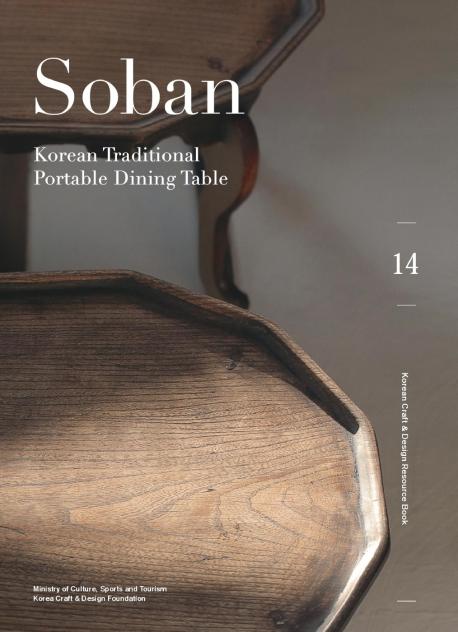
Soban : Korean Traditional Portable Dining Table <한눈에 보는 소반> 영문
- 최공호, 김미라 저
- 한국공예.디자인문화진흥원
- 2018년 12월 07일
-
정가16,000원
-
판매가14,400원 [10% 할인]
-
결제 혜택무이자
카드할인/포인트결제 안내
제휴카드
반디앤루니스 롯데카드 결제금액 최대 25% 청구할인 (1만원 이상 결제건에 한해 월 2회, 건당 최대 1만원 할인) 반디앤루니스 우리V카드 결제금액 10% 청구할인 포인트결제
OK캐쉬백 포인트 최소 10원부터 전액 사용 or 1% 적립 현대카드 M포인트 결제금액의 최대 10% 사용 가능 신한카드 포인트 결제금액의 최대 10% 사용 가능(일부카드) 하나(구.외환) 포인트 보유 한도 내에서 100% 사용 가능 씨티카드 포인트 결제금액의 최대 50% 사용 가능 할인카드
NH농협 TAKE5카드 20% 청구할인(Edu Pack) 채움 플래티늄 멀티카드 20% 청구할인 모바일 Tmoney 신한카드 10% 청구할인 신한카드 Shopping 10% 청구할인 NH농협 체크카드 10% 청구할인 NH20 해봄 신용카드 10% 청구할인 씨티 클리어 카드 7% 청구할인 NH20 해봄 체크카드 5% 청구할인 NH농협 LADY다솜카드 5% 청구할인 신한카드 큐브 5% 청구할인 신한카드 큐브 PLATINUM# 5% 청구할인 
무이자 안내
-
적립금800원 적립 [5%P]
추가 적립금 안내
[2천원 추가 적립]
총 주문금액 5만원 이상 구매 시 2,000원 추가 적립
도서(eBook포함)만 구매 시 적립 대상에서 제외업채배송상품 포함(기프트, 업체배송 등) 5만원[멤버십 추가 적립]
슈퍼루니 : 3% 추가 적립
골드루니 : 2% 추가 적립
실버루니 : 1% 추가 적립
단, 국내도서, eBook만 구매 시 적립 불가
품절된 상품입니다.
회원리뷰
ISBN: 9791189321062
172쪽
152 x 210 (㎜)
책 소개
저자 소개

- 구분 : 저서
- 국적 : 대한민국
- 분류 : 예술/취미 저자 , 기타
- 인기지수 : 8
숙명여자대학교 사학과를 졸업하고 홍익대학교 미술사학과에서 <조선 후기 문방가구 연구>로 석사학위를 받았습니다. 현재 숙명여자대학교 미술사학과 박사과정에 있으면서, 같은 대학교 박물관에서 강의를 하고 있습니다. 인사동에 있는 고가구 전문점 고도사 학예실장으로 일하면서 ‘고려 조선 목가구전’ ‘옛빔지,지공예’ ‘조선왕실, 양반가구전’ 등을 기획하여 전시하였습니다.
- 구분 : 저서
- 국적 : 대한민국
- 분류 : 예술/취미 저자
- 인기지수 : 5
홍익대학교 대학원에서 한국미술사학으로 석사와 박사 학위를 받았다. 한국전통문화대학교 전통미술공예학과에서 미술사와 공예 이론을 가르치고 있으며, 한국 공예기술사와 전통 담론, 근현대 공예에 두루 관심을 가지며 강의와 저술 활동을 병행하고 있다.
책 속에서
The tradition of using the Soban in Korea underwent significant changes together with the culinary heritage during the Japanese occupation (1910-1945) and the subsequent Korean War (1950-1953), resulting in a gradual decline in the use of Soban and the master artisans of Soban making. While some of the best known traditional tray tables, such as Najuban, Tongyeongban and Haejuban, continued to be made even after this turbulent period of modern Korean history, these new products began to be made with plywood and chemical paints rather than the traditional natural materials, resulting in a degeneration of their quality.
Chapter 1. General Introduction
The Soban is a type of kitchen ware used as a personal dining table. The object’s first impression is so important. To find the right item it is necessary to break with the modern tendency to believe that the prettier the better. For Korean families in the past, the Soban was an essential household item that they used on a daily basis, guiding Soban manufacturers to do their utmost to create the most comfortable form for use. To that end, they regarded the user’s physical condition as the most important factor in producing their products, which explains why the table has maintained almost the same form and structure for many hundreds of years, including the size of the tabletop and the height of the legs.
Chapter 2. Finding Soban
There are currently three artisans designated as Sobanjang (National Intangible
Cultural Heritage), or Yi Inse (specialized in Haejuban), Kim Chunsik (Najuban)
and Chu Yongho (Tongyeongban). Of the three masters, Kim Chunsik specialized
in the manufacturing Najuban is most active today. Najuban is one of the most
widely used traditional tray tables whose original form and structure had been well
preserved until the 1950s. The following section describes Soban making process in
detail for the production of a Naju Soban.
Chapter 3. Soban Masters and Their Works
The Soban, Korean traditional tray table, has recently begun to be reinterpreted from many different viewpoints, resulting in the creation of a modern style of Soban characterized by diversity not only of size but also of structure and style aimed at improving its portability and durability. The new generation of Soban makers combines high-quality materials with modern techniques and designs to create works that better appeal to the taste and aesthetic sensibility of modern users.
Chapter 4. Revival of Soban
목차
Chapter 1. General Introduction
What is Soban?
Names of Soban
History of Soban
Types of Soban
Characteristic Features of Soban
Chapter 2. Finding Soban
Soban, Classical Example of Traditional Meal Tables
Use of Soban
Usage of Soban across classes
Characteristics of Soban Originated from Villages
Chapter 3. Soban Masters and Their Works
Light but Sturdy Structure and Carving
Chapter 4. Revival of Soban
Rendezvous between Past and Present
Organic Nature Kept to a Minimum - Choi Byunghoon
Small Architecture for the Monks - Seung Hyosang
Minimalist Reinterpretation of Soban - Baek Eun
Portable Table for the Overturning of Thinking - Ha Jihoon
Panel Discussion
Old Tables Are Our Teachers
Appendix
List of Masters
Craft & Design Map
List of Illustrations
Bibliography
Advisory Persons and Organizations
Index
What is Soban?
Names of Soban
History of Soban
Types of Soban
Characteristic Features of Soban
Chapter 2. Finding Soban
Soban, Classical Example of Traditional Meal Tables
Use of Soban
Usage of Soban across classes
Characteristics of Soban Originated from Villages
Chapter 3. Soban Masters and Their Works
Light but Sturdy Structure and Carving
Chapter 4. Revival of Soban
Rendezvous between Past and Present
Organic Nature Kept to a Minimum - Choi Byunghoon
Small Architecture for the Monks - Seung Hyosang
Minimalist Reinterpretation of Soban - Baek Eun
Portable Table for the Overturning of Thinking - Ha Jihoon
Panel Discussion
Old Tables Are Our Teachers
Appendix
List of Masters
Craft & Design Map
List of Illustrations
Bibliography
Advisory Persons and Organizations
Index
배송 시 유의사항
- 반디앤루니스에서 구매하신 도서는 물류 대행 위탁업체 웅진 북센을 통해 배송됩니다.
(배송 포장에 "웅진 북센"으로 표기될 수 있습니다.)
- 구매한 상품의 품질과 배송 관련 문의는 반디앤루니스로 문의 바랍니다.
- 천재지변 및 택배사의 사정에 따라 배송이 지연될 수 있습니다.
- 결제(입금) 완료 후 출판사 및 유통사의 사정으로 품절 또는 절판 되어 상품 구입이 어려울 수 있습니다. (별도 안내 예정)
- 도서산간지역의 경우 추가 배송비가 발생될 수 있습니다.
반품/교환
상품 설명에 반품/ 교환 관련한 안내가 있는 경우 그 내용을 우선으로 합니다. (업체 사정에 따라 달라질 수 있습니다)
반품/교환
-
반품/교환 반품/교환 방법 홈 > 고객센터 > 자주찾는질문 “반품/교환/환불” 안내 참고 또는 1:1상담게시판 반품/교환 가능 기간 반품,교환은 배송완료 후 7일 이내, 상품의 결함 및 계약내용과 다를 경우 문제발견 후 30일 이내에 신청가능 반품/교환 비용 변심 혹은 구매착오의 경우에만 반송료 고객 부담(별도 지정 택배사 없음) 반품/교환 불가 사유 - 소비자의 책임 사유로 상품 등이 손실 또는 훼손된 경우
- 소비자의 사용, 포장 개봉에 의해 상품 등의 가치가 현저히 감소한 경우
- 복제가 가능한 상품 등의 포장을 훼손한 경우 : 예)만화책, 잡지, 화보집 등
- 시간의 경과에 의해 재판매가 곤란한 정도로 가치가 현저히 감소한 경우
- 전자상거래등에서의 소비자보호에 관한 법률이 정하는 소비자 청약철회 제한 내용에 해당되는 경우
- 해외주문 상품(해외 원서)의 경우(파본/훼손/오발송 상품을 제외)
소비자 피해보상
환불지연에 따른 배상- 상품의 불량에 의한 반품, 교환, A/S, 환불, 품질보증 및 피해보상 등에 관한 사항은
소비자 분쟁해결 기준(공정거래위원회고시)에 준하여 처리됨 - 대금 환불 및 환불지연에 따른 배상금 지급 조건, 절차 등은 전자상거래 등에서의
소비자 보호에 관한 법률에 따라 처리함
반품/교환 주소 경기도 파주시 문발로 77, 웅진북센(반디앤루니스)
